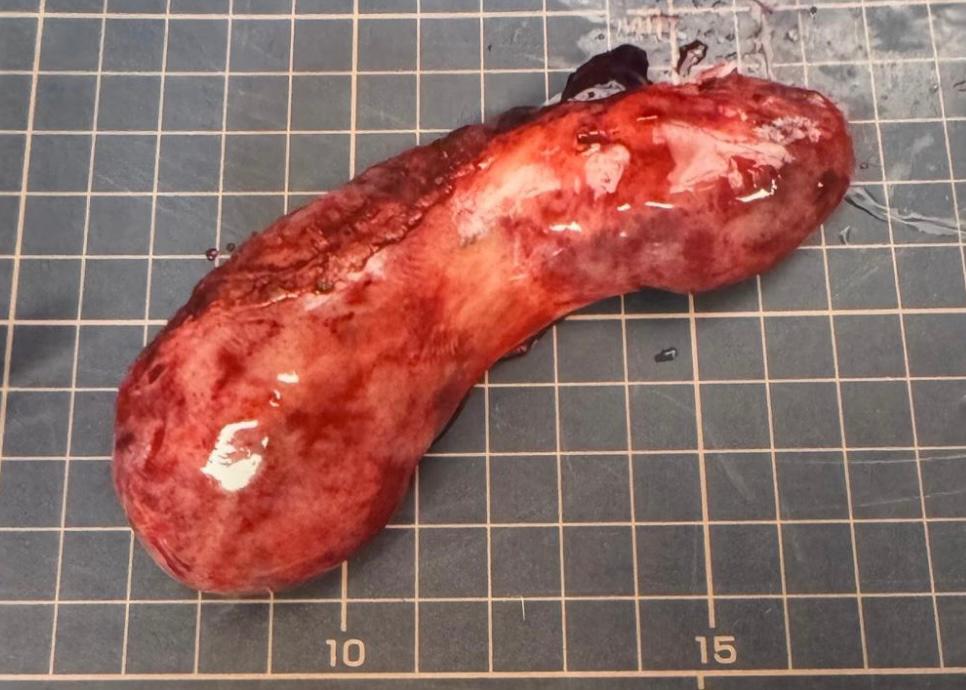
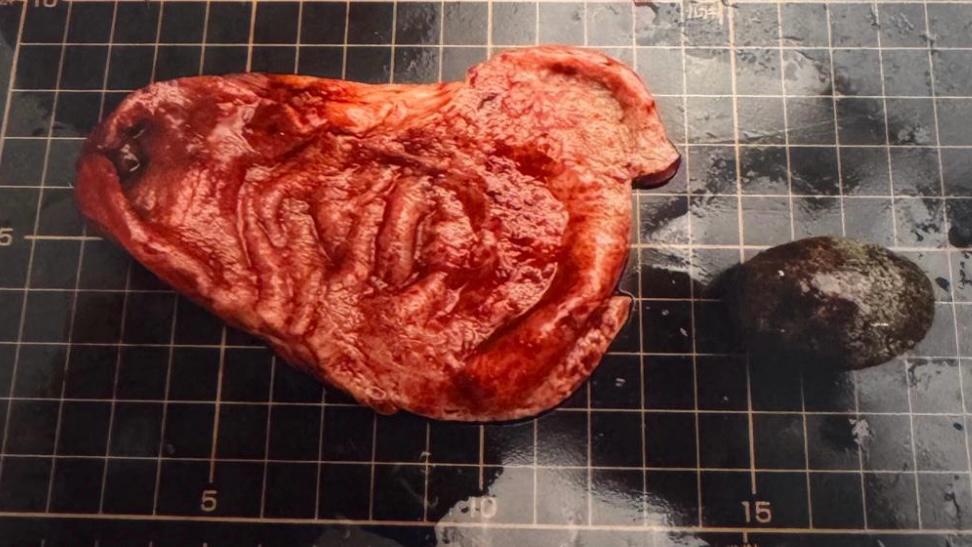
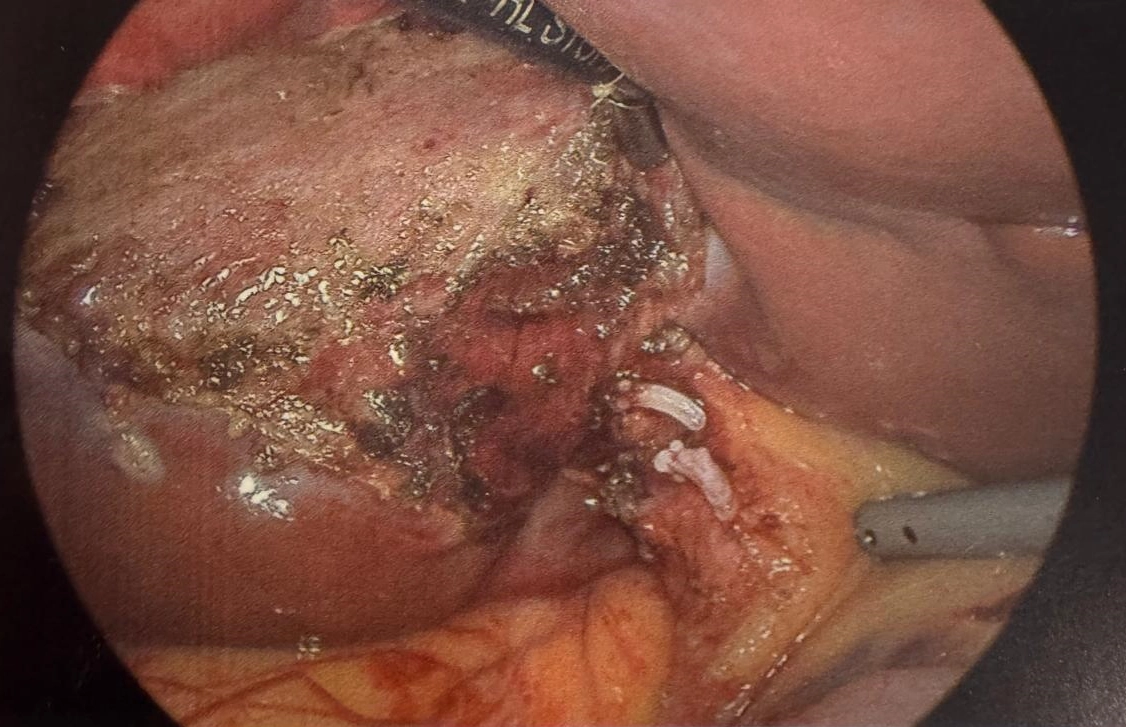
This category of surgery primarily addresses common conditions, such as gallstones disease, appendicitis, colorectal cancer, and abdominal hernias etc. Comparing to traditional surgery, minimally invasive surgery generally associates with less post operative pain, faster recovery and rewturn back to normal life.
Minimally Invasive Cholecystectomy
This procedure addresses gallbladder pain or inflammation caused by gallstones. It is typically performed using a minimally invasive laparoscopic approach, during which the gallbladder is removed along with the stones, reducing the risk of postoperative complications.
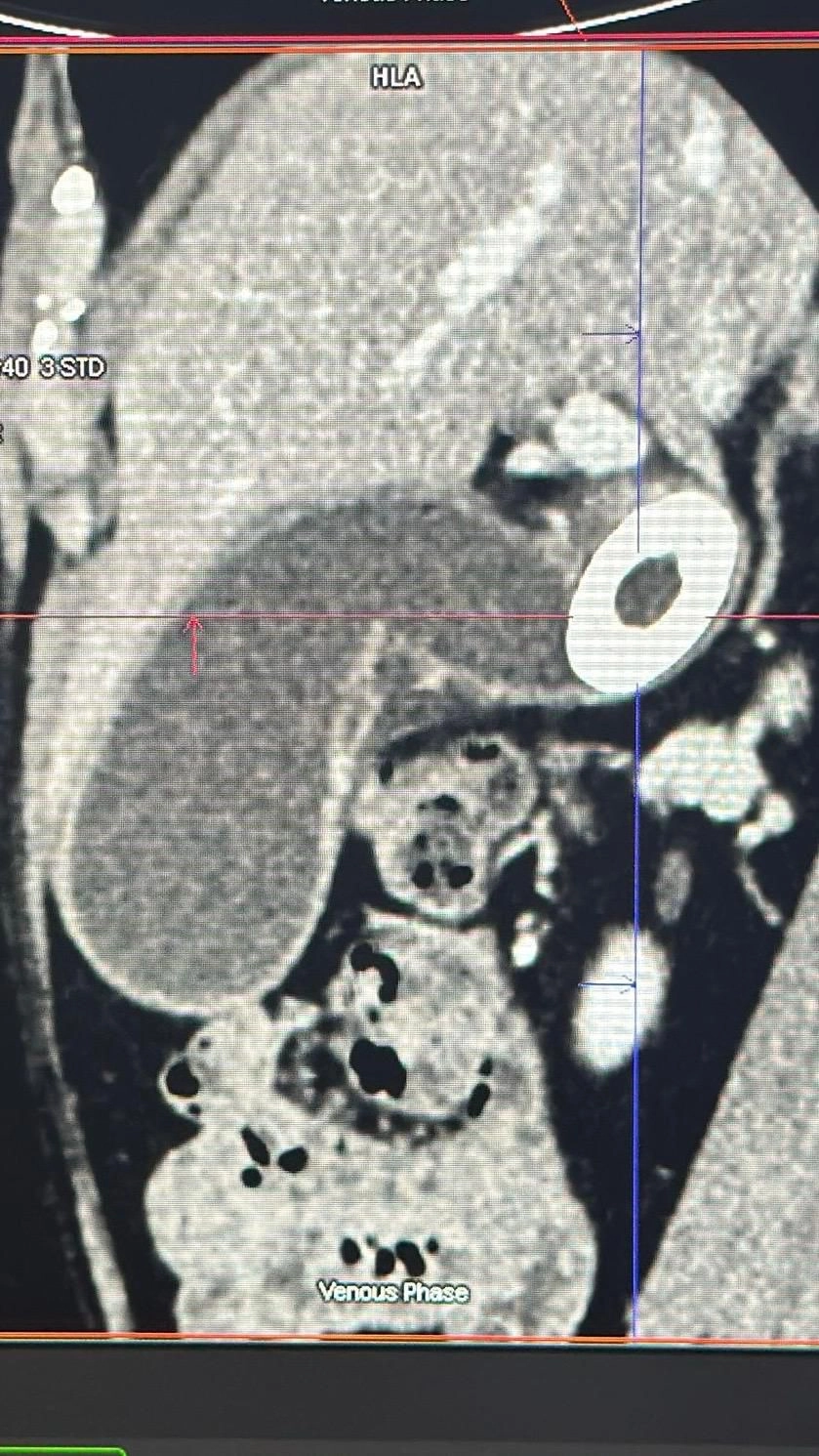
Minimally Invasive Cholecystectomy
Minimally Invasive Appendectomy
Appendicitis is one of the most common surgical emergencies. In severe condition, it may lead to perforation and peritonitis. Early detection and minimally invasive surgical treatment allow patients to recover their health within a few days.
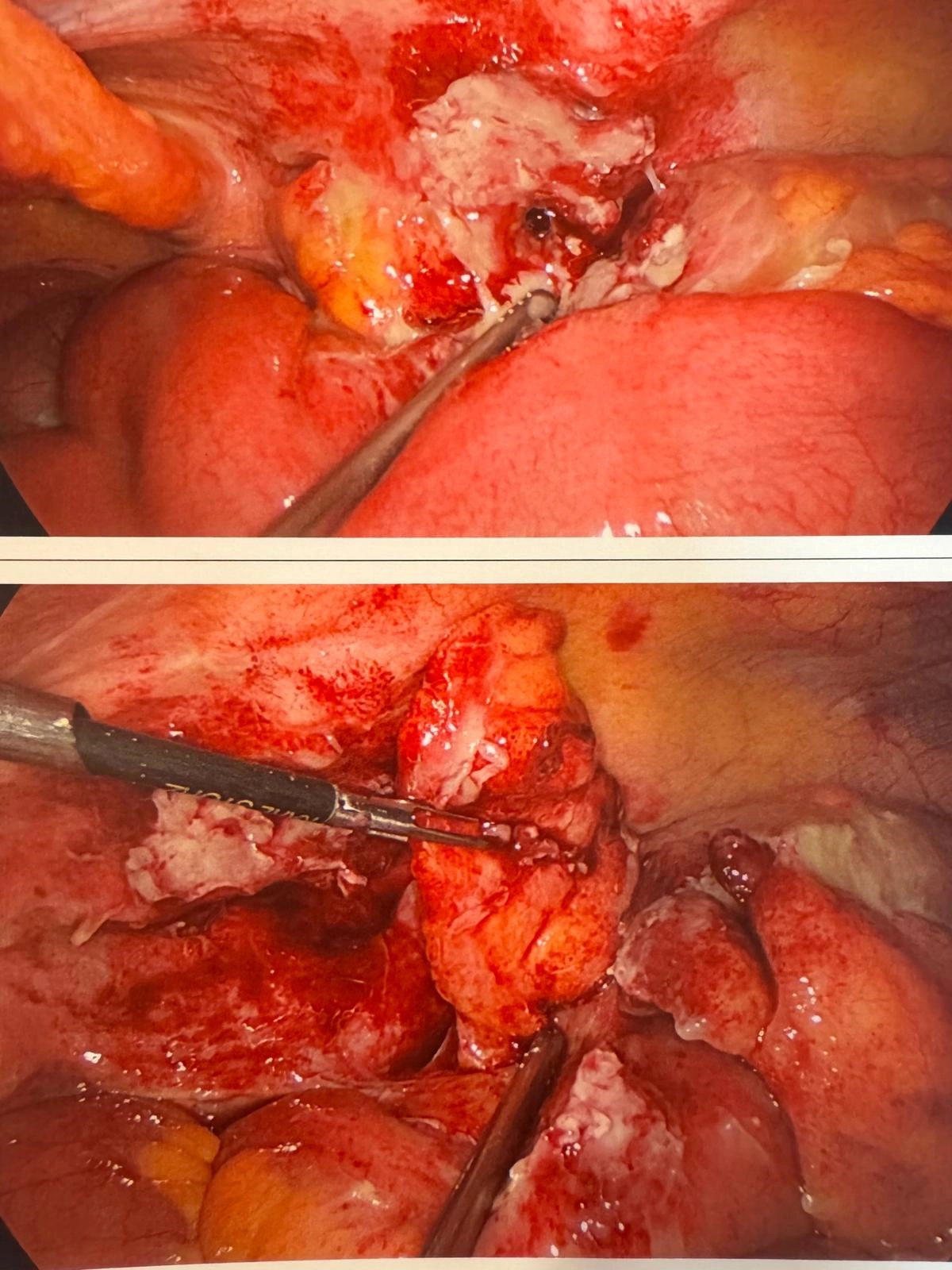
Minimally Invasive Appendectomy
Minimally Invasive Colorectal Surgery
Colorectal cancer is one of the top three commonest cancers in Hong Kong, and surgery remains the most effective treatment. Minimally invasive procedures involve several small incisions (1–2 cm) to remove the tumor and affected lymph nodes, effectively treating the cancer and preventing bowel obstruction caused by the disease.
Laparoscopic Hernia Repair
Hernias are more common in men, but they can affect individuals of any age or gender. If severe, a hernia can lead to bowel obstruction or tissue necrosis. Hernias would not disappear itself or be treated with medication; surgery is the only definitive solution. After minimally invasive surgery, patients can usually discharge within 1–2 days.